

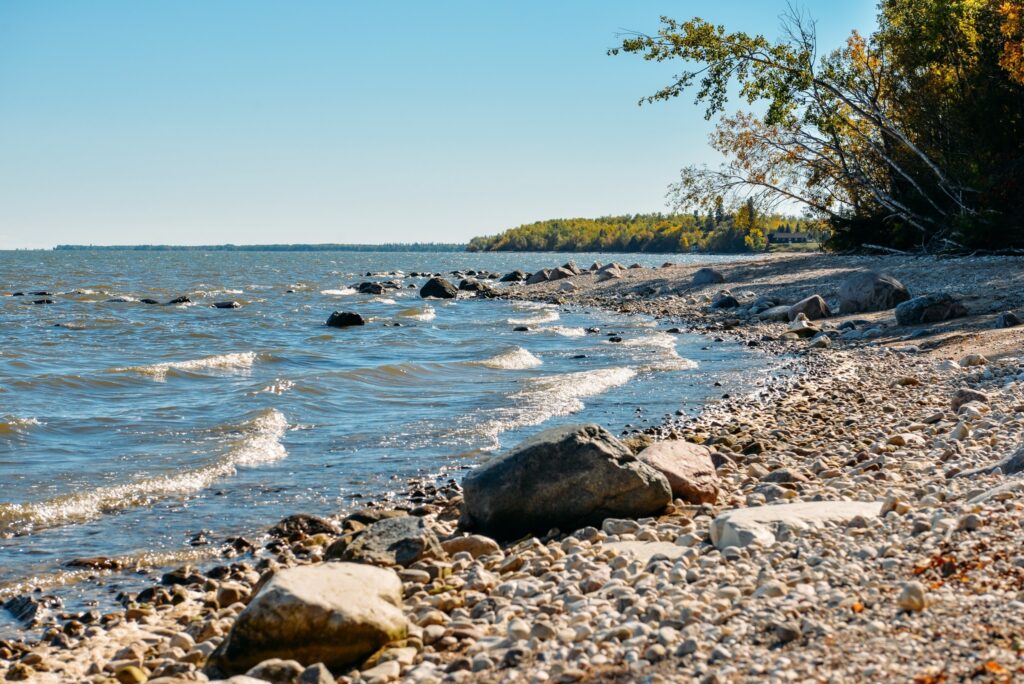
Lake Winnipeg is located in Canada in the province of Manitoba and is very well known for being extremely large in size as it covers around 24514 square kilometers and ranks as the 11th largest freshwater lake in the world. If you look at the Lake Winnipeg map, you will see that the lake covers so much of the area that it is elongated in a north-south position, and it is also on both of the Red River and the Winnipeg River.
Geography and Formation of Lake Winnipeg
Lake Winnipeg covering around 24514 square kilometers formed thousands of years ago and gradually formed during the during the last Ice Age as a result of Glacial activity. Lake Winnipeg is divided into two main components which are the North Basin and the South Basin and are divided by what is called the narrows located near Grand Rapids. The Lake Winnipeg water flows north to a place called the Nelson River and eventually flows into what is called the Hudson Bay. The immense strategic position and large volume of Lake Winnipeg help it to be a very important feature for the Canada Lakes and also for the province of Manioba.
Wildlife and Biodiversity
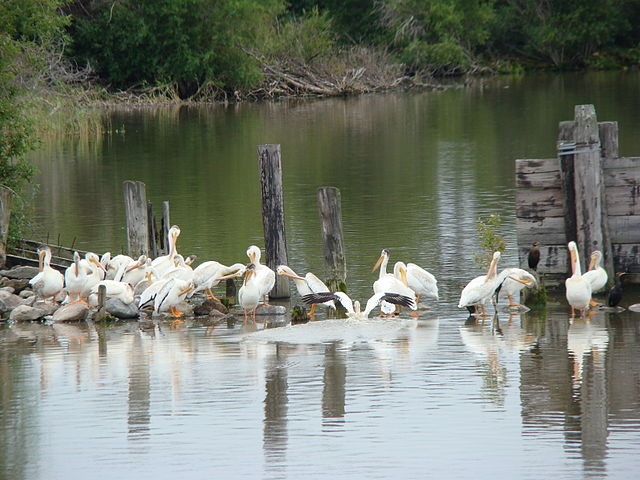
Although not large, Lake Winnipeg is home to a variety of wildlife and plant life, including fish like the walleye, northern pike, and lake whitefish, which are caught commercially. The lake is surrounded by various birdwatching sites and attracts the attention of birdwatchers looking to spot pelicans, loons and other various migratory waterfowl. The boost surrounding wetland ecosystems. Amphibians, mammals, and various plants make this ecological area of Lake Winnipeg extremely important. Numerous conservationists and researchers have come to the N freshwater ecosystem of Lake Winnipeg to help identify and maintain the delicate balance of the ecosystem.
Discover Lake Louis. One of Canada’s beautiful and minimalistic freshwater lakes. Lake Louis is the perfect spot to relax and unwind in nature, and it great for researchers. Witness the beautiful untouched wilderness, and the unique wildlife it shelters.
Environmental Problems
Although it is surrounded by nature, Lake Winnipeg is vulnerable to many different environmental threats. Agri runoff, along with urban runoff, have led to nutrient pollution and subsequent algal blooms in the South Basin. Water levels and wetlands overall, as well as fish populations, are negatively affected by climate change. Several different agencies are undertaking the challenges of monitoring sustainable fishing, and the overall quality of the water. Addressing and understanding these challenges will ensure that Lake Winnipeg in addition to the many Lakes that Canada has, will still be here to enjoy for decades to come.
How Deep Is Lake Winnipeg
The average depth of the lake is around 12 meters (39 feet), which is shallow compared to many of the largest lakes in the world, but maximum depth of 36 meters (118 feet) is comparatively greater than many others. Over the rough prairies, the lake can have strong, rough wave conditions because it is wide open. Lake Winnipeg in Manitoba is one of the largest freshwater lakes in Canada by surface area.’
Lake Winnipeg Map
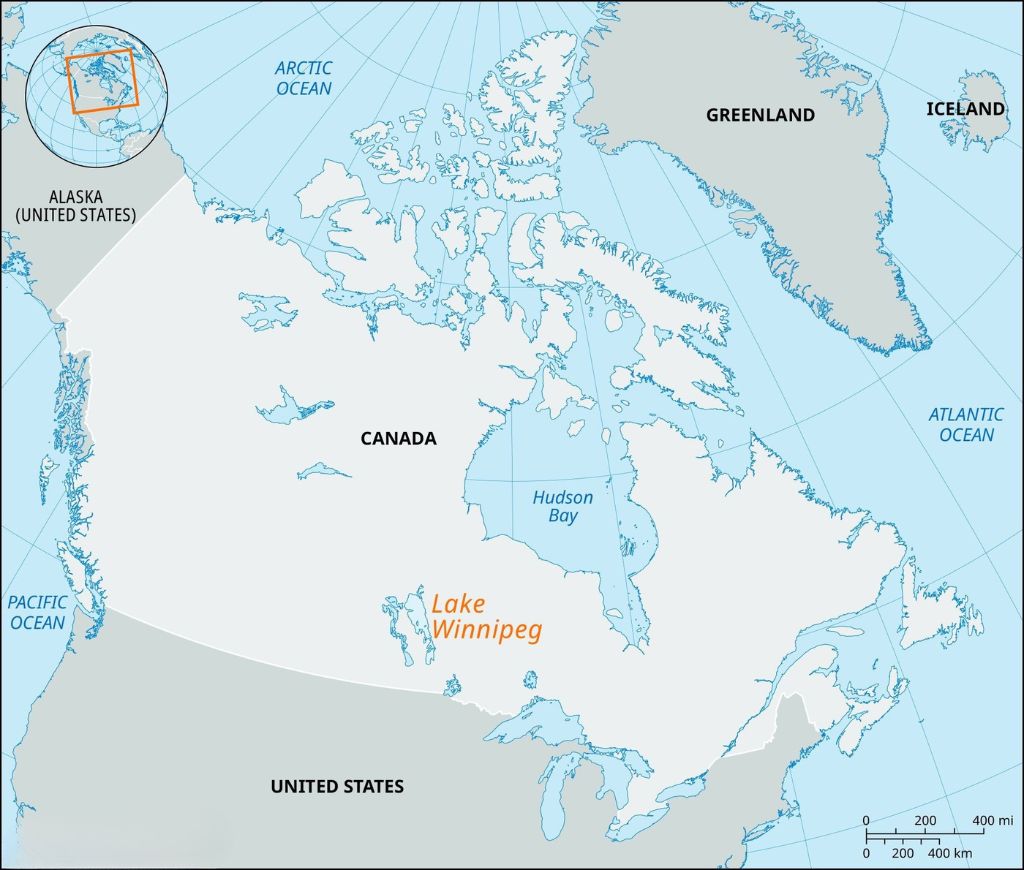
A comprehensive Lake Winnipeg Map is a necessity for anyone and everyone, including researchers, students, and anyone else wishing to discover the intricacies of the geography of Lake Winnipeg. The wetlands that surround the lake, the towns that are located along the banks, and the rivers that flow into and out of the lake along with the North and South Basins are all shown. This lake also assists in the environmental study as well as the fisheries management in addition to helping to understand the overall role of the lake in the overall Lakes of Canada. Accurate mapping will help understand the degradation of the ecosystems to clarify the water levels, the ecological zones, and then the clear human impacts that will occur to the lake over time.
Winnipeg To Salt Lake City
For travelers interested in exploring North America, the route from winnipeg to salt lake city offers a unique journey between two geographically distinct regions. Winnipeg, located near the vast Lake Winnipeg, is known for its freshwater landscapes and prairie surroundings. In contrast, Salt Lake City is famous for its mountainous terrain and proximity to the Great Salt Lake. Whether traveling by air or road, this route connects the natural beauty of central Canada with the dramatic scenery of the western United States.
Cultural and Historical Significance
Lake Winnipeg has cultural and historical importance in addition to its ecological significance. Indigenous communities used the lake and its resources for fishing, travel, and ceremonies for centuries. The lake was also important for European explorers in the 17th and 18th centuries as a trading and settlement route. The lake still has cultural significance today, as it continues to foster community connections and provide opportunities for learning and research.
Frequently Asked Questions (FAQs) About Lake Winnipeg
1. Where is Lake Winnipeg located?
Lake Winnipeg is located in the province of Manitoba, Canada. It stretches in a north-south direction and is one of the largest freshwater lakes in the world.
2. How big is Lake Winnipeg?
Lake Winnipeg covers an area of approximately 24,514 square kilometers, making it the 11th largest freshwater lake globally.
3. How deep is Lake Winnipeg?
The average depth of Lake Winnipeg is about 12 meters (39 feet), while its maximum depth reaches 36 meters (118 feet).
4. What wildlife can be found in Lake Winnipeg?
Lake Winnipeg supports diverse wildlife, including fish such as walleye, northern pike, and lake whitefish. The surrounding wetlands attract birds like pelicans, loons, and other migratory waterfowl. Amphibians, mammals, and various plant species also thrive here.
5. Can I visit Lake Winnipeg for recreational activities?
Yes, Lake Winnipeg offers opportunities for fishing, boating, birdwatching, and enjoying the surrounding natural landscapes.
Conclusion
Lake Winnipeg is a perfect example of the depth and complexity found in Canada’s lakes. The lake’s rich wildlife, cultural and historical significance, and vast waters make it a valuable resource that ought to be preserved. With protection, research, and sustainable conservation, the lake’s ecological and educational significance will be preserved for future generations.