

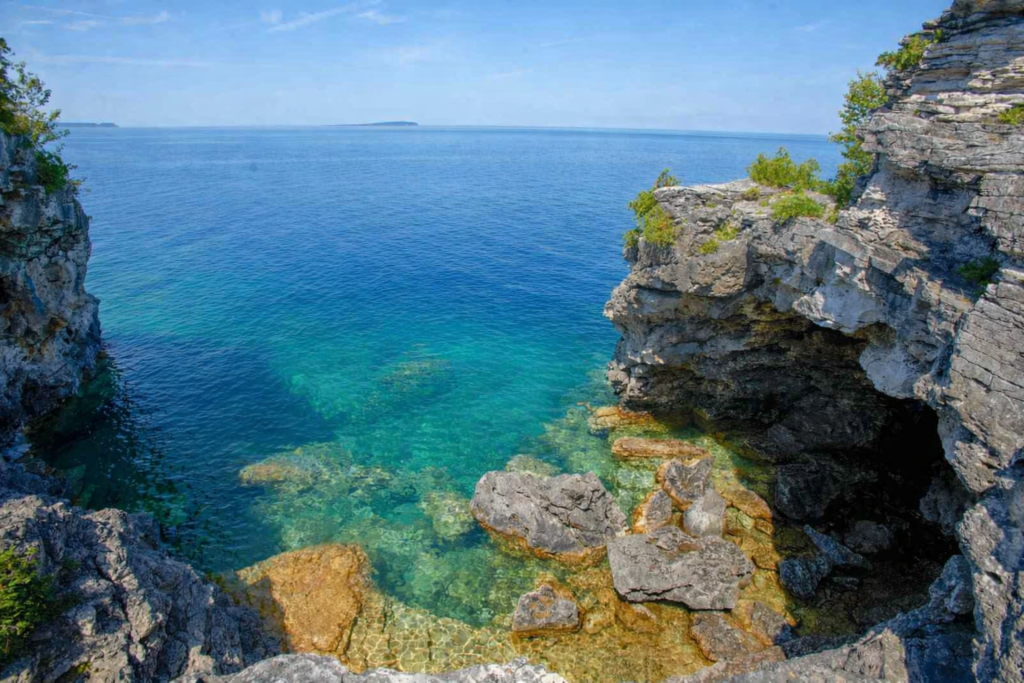
Ever wondered what makes Lake Huron one of Canada’s most fascinating freshwater lakes? From dramatic shorelines and scenic bays to cultural history and outdoor adventure, this Great Lake has a story worth exploring. Canada Lakes is your guide to uncovering the natural beauty, key facts, and memorable experiences waiting along the shores of Lake Huron Ontario.
In this guide, we’ll explore where Lake Huron is located, its geography and history, things to do, and practical tips for visitors and curious readers alike. Along the way, we’ll also point you toward other incredible Canadian lakes like Great Slave Lake for further discoveries.
Where Is Lake Huron Located & Why It Matters?
If you’ve ever asked where Lake Huron is located, the answer spans both Canada and the United States. The northern shoreline lies entirely in Ontario, while the lake’s waters touch the U.S. states of Michigan and a bit of Ohio.
Lake Huron is part of the Great Lakes system, and though it’s slightly smaller than Lake Superior, it still ranks among the largest freshwater lakes in the world by surface area. Its sheer size influences weather patterns across Ontario and the Midwest, creating cool breezes in summer and dramatic snow squalls in winter.
Lake Huron Size, Depth & Geography: Key Facts
Understanding the Lake Huron size and depth helps explain why it’s so unique:
- Surface area: ~59,600 square kilometers
- Maximum depth: ~230 meters
- Shoreline length: Thousands of kilometers with islands and coves
One of Lake Huron’s most remarkable features is Manitoulin Island, the largest freshwater island on Earth. The island also contains freshwater lakes of its own. A rare and fascinating natural phenomenon.
Lake Huron’s shoreline includes diverse landscapes, from sandy beaches and dunes to rocky cliffs and shady forests. Georgian Bay, sometimes called the “sixth Great Lake,” is a huge and scenic bay on the lake’s eastern side, known for its windswept pines and labyrinthine islands.
History of Lake Huron
The history of Lake Huron stretches back thousands of years. The lake basin was carved by melting glaciers at the end of the last Ice Age, leaving behind deep waters and rugged shores.
Long before Europeans arrived, Indigenous peoples such as the Anishinaabe lived, traveled, and fished along Lake Huron’s shores. The lake was central to culture, trade, and transportation long before colonial maps existed.
Later, French explorers, fur traders, and European settlers used Lake Huron as a route for trade and exploration. The lake’s waters carry stories of early settlements, Indigenous heritage, and centuries of changing landscapes.
Things to Do at Lake Huron
Lake Huron offers a wide variety of activities for every type of visitor. From outdoor adventure seekers to families and history lovers. Here are some highlights:
Lake Huron Hiking Trails
Nature lovers searching for Lake Huron hiking trails will find everything from easy waterfront walks to rugged forest paths and scenic overlooks. Trails around Georgian Bay and along the Bruce Peninsula are especially popular, offering dramatic views over water and woodland.
Lake Huron Camping
Lake Huron camping is a favorite for both peak summer and quieter shoulder seasons. Provincial parks and campgrounds dot the shoreline, giving visitors opportunities to sleep near the water and watch sunrises, sunsets, and starry nights.
Boating, Fishing & Water Activities
Boating and fishing are classic activities on Lake Huron. Anglers can fish for trout, salmon, and other freshwater species, while boaters enjoy cruising around bays and islands.
Scenic Drives: Lake Huron Road Trip Ontario
A Lake Huron road trip Ontario is a must for travelers who enjoy scenic drives. Routes along the eastern and western shores offer beaches, provincial parks, small towns, and scenic lookouts perfect for photos and picnic stops.
Best Time to Visit Lake Huron
People often ask about the best time to visit Lake Huron, and the answer depends on what you’re looking for:
- Summer: Warm weather for hiking, swimming, and boating
- Fall: Colorful forests, cooler temps, and fewer crowds
- Spring: Blooming wildflowers and rushing waterfalls
- Winter: Snowy landscapes and peaceful, quiet shores
And if you’re wondering, can you swim in Lake Huron? Yes, swimming is possible at many beaches and bays, but keep in mind that water temperatures can be cool even in summer, especially farther from shore.
Hidden Gems & Local Highlights
Beyond the well‑known activities, Lake Huron has quieter gems worth discovering:
- Silent beaches with soft sand and peaceful views
- Georgian Bay islands ideal for boating exploration
- Lighthouses and cultural heritage sites
- Birdwatching and nature photography spots
Whether you explore early in the morning or at sunset, Lake Huron’s calm and reflective waters have a way of inviting you to slow down and enjoy the moment.
How Lake Huron Compares to Other Great Canadian Lakes?
While Lake Huron Canada shines with its own unique beauty, there are other incredible freshwater lakes in the country worth exploring too. For example, Great Slave Lake in the Northwest Territories is known as one of the deepest lakes in North America, offering a different kind of wilderness adventure for those who want to dive deeper into Canada’s freshwater landscapes.
If you’re exploring more lakes around the country, head back to Canada Lakes to explore those stories, facts, and travel ideas in one place.
Why Lake Huron Matters?
Lake Huron isn’t just big. It’s full of life, culture, and story. From ancient Indigenous history and glacial creation to hiking trails and scenic road trips, it’s a freshwater lake that appeals to curious minds, nature lovers, and adventure seekers alike.
Whether you’re learning for the first time or planning your next trip, Lake Huron has something worth discovering at every turn.