

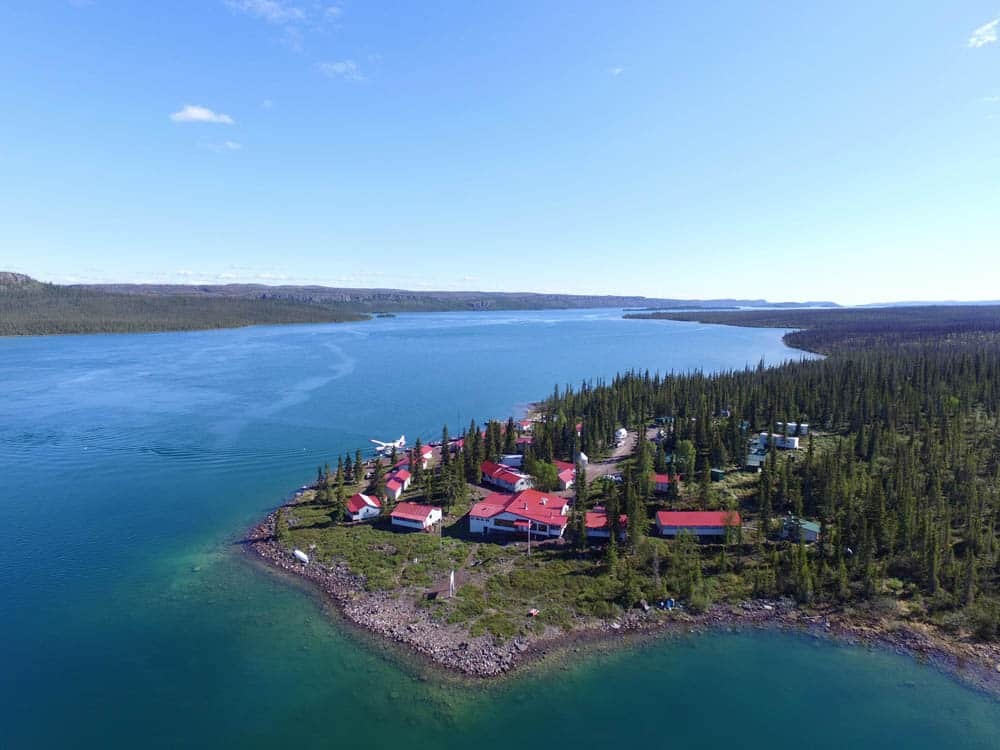
Great Slave Lake is one of the most remarkable lakes in Canada, both in size and natural beauty. Located in the Northwest Territories, it is the deepest lake in North America and the second-largest lake entirely in Canada. Its vast waters, pristine surroundings, and abundant wildlife make it a haven for nature enthusiasts, anglers, and travelers seeking adventure in the Canadian wilderness.
This lake is not just a geographic landmark, it is a hub for recreation, culture, and scientific study. Its icy winters, vibrant summers, and unique ecosystems offer a glimpse into the natural wonders of northern Canada.
Location and Geography
Great Slave Lake stretches over 28,568 square kilometers (11,030 square miles), making it larger than some countries. It is located approximately 400 kilometers (250 miles) northeast of Yellowknife, the capital of the Northwest Territories. The lake reaches a maximum depth of 614 meters (2,014 feet), making it the deepest lake entirely within North America.
The surrounding landscape is a mix of Canadian Shield rock formations, boreal forests, and tundra, creating a rugged and visually stunning environment. Its shoreline is dotted with small communities and historic sites, including Hay River, which serves as a gateway for travelers and fishing enthusiasts.
The lake’s sheer size means that it can take several days to explore fully by boat, and its waters are a significant feature of Canada’s northern geography.
Why Great Slave Lake Is Unique
Great Slave Lake stands out for several reasons:
- Depth and Size: Its extreme depth and expansive area make it a major freshwater reservoir.
- Northern Location: Its placement in the Northwest Territories results in cold winters, long summers, and unique northern light phenomena, including the aurora borealis.
- Remote Wilderness: Much of the lake remains untouched, providing a haven for wildlife and a quiet escape for visitors.
Unlike other lakes, Great Slave Lake combines recreational opportunities, environmental significance, and cultural heritage, making it a destination that appeals to a wide range of travelers.
Lake Activities
Great Slave Lake is a year-round destination for outdoor activities. Here are some of the most popular ways to enjoy this Canadian natural wonder:
Summer Activities
- Boating and Canoeing: Its calm waters during summer are perfect for boating, kayaking, and canoeing. Exploring the lake’s inlets and coves offers a peaceful experience surrounded by nature.
- Fishing: Anglers come from across Canada to catch northern pike, lake trout, and whitefish. Local guides are available to help visitors find the best fishing spots.
- Hiking and Wildlife Watching: Trails along the shoreline offer opportunities to see moose, wolves, bald eagles, and other wildlife in their natural habitats.
- Camping: Several areas around the lake provide camping sites where visitors can immerse themselves in northern wilderness.
Winter Activities
- Ice Fishing: The lake freezes over for up to five months, creating a prime environment for ice fishing enthusiasts.
- Snowmobiling: Vast frozen surfaces allow for thrilling snowmobiling adventures.
- Cross-Country Skiing: Snow-covered trails provide serene skiing experiences surrounded by quiet northern forests.
No matter the season, Great Slave Lake offers activities that cater to adventurers, families, and nature lovers alike.
Fishing Guides and Tips
Fishing is one of the main draws of Great Slave Lake, and it’s known internationally for its abundant and diverse fish population. Here are some tips for a successful fishing trip:
- Hire a Local Guide: Experienced guides know the lake’s hidden fishing spots and provide all necessary equipment.
- Check Fishing Regulations: Ensure you have the proper licenses and follow catch limits to preserve the lake’s ecosystem.
- Target Species: Lake trout and northern pike are the most sought-after species, with seasonal variations in availability.
- Timing: Summer months are ideal for lake trout, while northern pike fishing peaks in late spring.
Whether you’re a seasoned angler or a beginner, fishing in Great Slave Lake is both rewarding and scenic.
Climate and Seasonal Changes
Great Slave Lake experiences distinct seasonal variations, which influence both activities and the surrounding ecosystem:
Summer
- The lake is mostly ice-free.
- Temperatures are mild, ranging from 15°C to 25°C (59°F to 77°F).
- Wildlife is active, and the boreal forests surrounding the lake are lush and vibrant.
- Boating, fishing, and hiking are at their peak.
Winter
- The lake freezes completely, often with ice thick enough to support vehicles.
- Temperatures can drop below -30°C (-22°F), creating extreme but beautiful conditions.
- Winter sports like ice fishing, snowmobiling, and cross-country skiing dominate recreational activities.
The contrast between summer and winter makes Great Slave Lake a dynamic and fascinating location for both tourism and scientific observation.
Wildlife Around Great Slave Lake
The lake’s remote location provides habitat for a diverse array of wildlife. Common species include:
- Moose and caribou
- Wolves and black bears
- Bald eagles, ospreys, and other birds of prey
- Beavers, foxes, and other small mammals
Birdwatchers, photographers, and wildlife enthusiasts find Great Slave Lake to be a rich and rewarding location, especially during seasonal migrations.
Environmental Importance
Great Slave Lake is not just a recreational destination it is also environmentally significant:
- Freshwater Reservoir: The lake stores massive amounts of freshwater, supporting ecosystems and nearby communities.
- Biodiversity Hotspot: It supports diverse plant and animal life in a northern environment.
- Scientific Research: Researchers study its depths, wildlife, and climate patterns to understand ecological changes and effects of climate change.
- Climate Indicator: Changes in water levels and ice cover reflect broader environmental trends in northern Canada.
Preserving this lake is essential for maintaining the ecological balance of the region.
Interesting Facts About Great Slave Lake
- It is the deepest lake entirely in North America.
- The lake is visible from space due to its size.
- Ice fishing is popular for up to five months each year.
- It is fed by several rivers, including the Slave and Hay Rivers.
- It has been a critical part of local Indigenous communities for centuries, providing food and transportation routes.
Conclusion
Great Slave Lake is more than just a lake it is a symbol of northern Canada’s natural beauty, wilderness, and resilience. From its vast waters and rugged landscapes to its abundant wildlife and recreational opportunities, it offers something for every traveler, adventurer, and nature lover.