

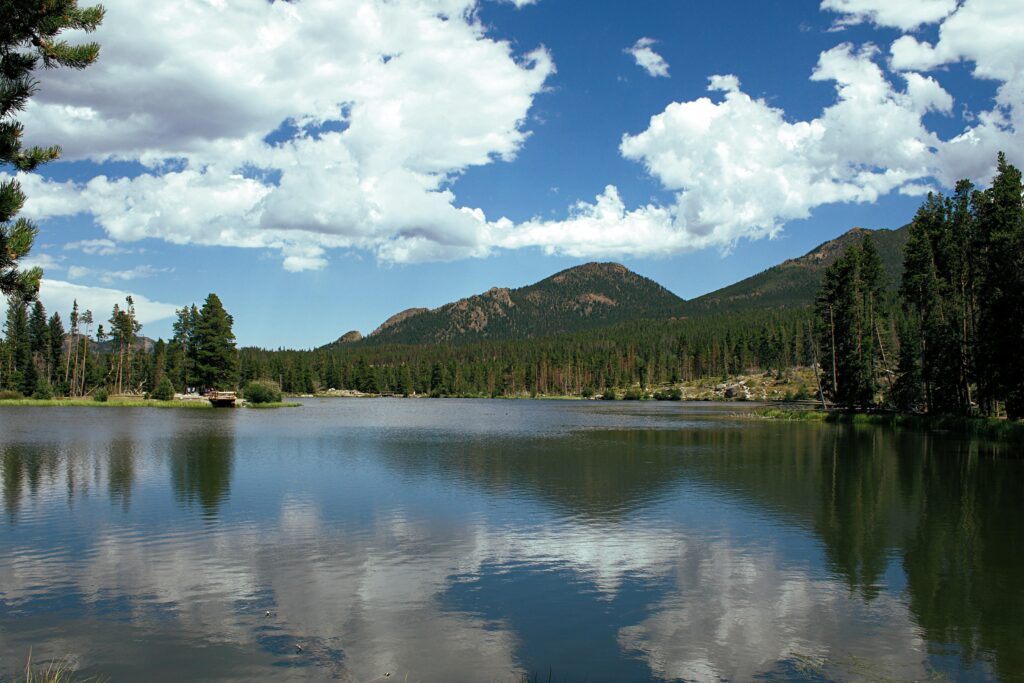
Far up in northern Canada lies a lake so vast and pristine it seems almost unreal. Great Bear Lake Canada, also known as Great Bear Lake Ontario, is more than just a body of water. It’s a wilderness experience where crystal-clear waters stretch endlessly, wildlife roams freely, and solitude is unmatched.
From adventurous anglers to nature photographers, and anyone curious about Canada’s untouched beauty, Great Bear Lake captures the imagination like few other lakes in the world. With its stunning landscapes, rich history, and ecological significance, it’s a destination that leaves a lasting impression.
Why Great Bear Lake Stands Out?
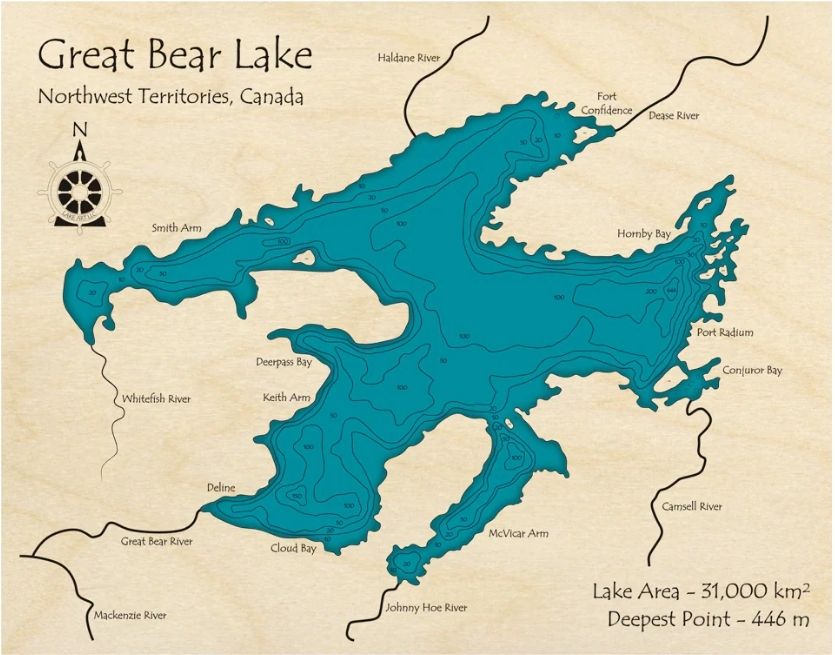
Located in the Northwest Territories, Great Bear Lake in Canada spans 31,153 square kilometers (12,031 square miles), making it the largest lake entirely within Canada and the fourth largest in North America. Its vast expanse often invites comparisons to Lake Superior, highlighting the lake’s incredible scale.
Key Facts About Great Bear Lake:
- Length: 373 km (232 mi)
- Width: 113 km (70 mi)
- Maximum Depth: 446 meters (1,463 ft)
- Number of Islands: Over 1,500
- Water Clarity: Among the cleanest in the world perfect
Whether you’re looking for where Great Bear Lake is located or planning your adventure, the geography alone makes this lake a must-see destination.
History and Cultural Significance
For centuries, Great Bear Lake has been a vital part of the Sahtu Dene Indigenous communities’ lives, providing fish, travel routes, and cultural significance. European explorers first documented the lake in the late 1700s, and since then, it has attracted adventurers, scientists, and travelers from around the world.
The lake’s rich history and cultural relevance add a deeper layer to the stunning natural beauty, giving visitors more than just scenic views. It’s a connection to Canada’s northern heritage.
Adventure and Wildlife
Great Bear Lake fishing is legendary. Anglers travel from across the globe for trophy lake trout and Arctic grayling, drawn by the lake’s pristine waters and remote wilderness. Hikers and paddlers can explore its rugged shoreline, while photographers capture stunning Great Bear Lake photos, from sparkling waters to the Northern Lights reflections.
Wildlife enthusiasts will also find plenty to marvel at:
- Grizzly bears and caribou
- Wolves and migratory birds
- Rare Arctic species
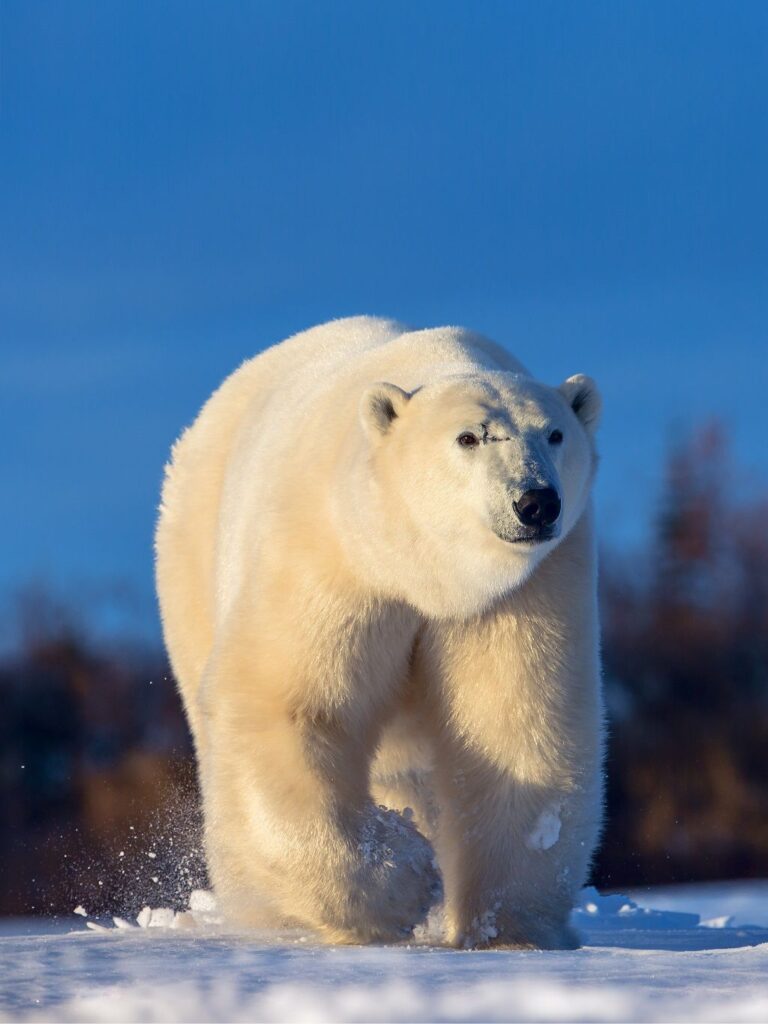
While polar bears are found in the surrounding region, sightings near the lake are rare. Its remote location ensures a serene wilderness experience unlike any other.
Why You Should Visit Great Bear Lake?
Whether you’re a fishing enthusiast, wildlife lover, or adventure seeker, Great Bear Lake Canada offers a once-in-a-lifetime experience. Its vast waters, rich history, and untouched landscapes make it one of the most extraordinary lakes in the world.
For more of Canada’s stunning freshwater wonders, explore our full collection of Canada lakes.
FAQs About Great Bear Lake
1. Is Great Bear Lake bigger than any of the Great Lakes?
While massive, Great Bear Lake is smaller than Lake Superior, but still larger than most other Great Lakes, making it one of Canada’s most impressive freshwater bodies.
2. Can you swim in Great Bear Lake?
Yes, but the waters are very cold even during summer. Adventurous visitors can swim safely, but most people enjoy fishing or boating instead.
3. Are there polar bears at Great Bear Lake?
Polar bears inhabit the wider region, though sightings near the lake are rare. Grizzly bears, caribou, and wolves are more commonly seen.
4. Why is Bear Lake so famous?
Its fame comes from its size, clarity, remote wilderness, and cultural significance to Indigenous peoples.
5. Where is Great Bear Lake located?
Great Bear Lake Canada sits in the Northwest Territories, just south of the Arctic Circle, making it a true northern wilderness destination.
6. How does Great Bear Lake compare to Lake Superior?
In terms of surface area, it’s slightly smaller than Lake Superior, but its pristine environment and remote location give it a unique allure that sets it apart.